Source Dog Anxiety Collar for Training, Home, and Adult Pet Care
Compare 30 dog anxiety collar options from verified suppliers. These nylon and leather collars feature quick release buckles, floral patterns, and customizable designs suitable for training and home use with adjustable sizes; compare the available evidence and request quotations based on your requirements.
Key considerations
Products List




Comprehensive Sourcing Guide
Dog Anxiety Collar Sourcing Guide
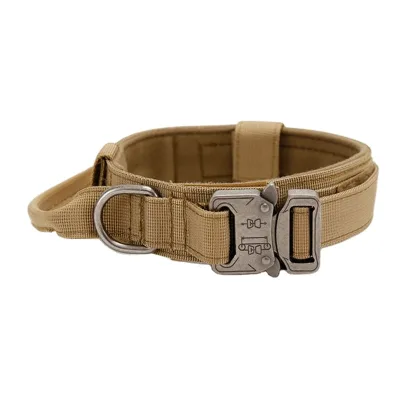
Procurement teams must first distinguish between standard training collars and specialized anxiety-reduction devices, as the supplied data indicates a primary focus on general dog training and durable nylon construction. While the observed listings feature floral patterns and ribbon decorations, these aesthetic elements do not inherently confer anxiety-relief properties, requiring buyers to verify specific functional claims beyond the visible product attributes. The presence of quick-release buckles and adjustable sizing suggests a design prioritizing safety and fit, which are foundational for any collar intended to reduce stress during handling or training sessions.
Buyers should scrutinize the distinction between products labeled for "Adult Pet" use versus those explicitly designed for training applications, as the intended psychological impact varies significantly between these categories. The available data confirms the existence of leather and rubber materials alongside nylon, yet it does not validate any specific calming mechanism for these items. Consequently, sourcing strategies must prioritize suppliers who can provide evidence of ergonomic design and secure closure types that prevent accidental removal while ensuring the animal remains comfortable during periods of heightened anxiety.
Product Scope and Observed Listing Signals
The current market signals reveal a diverse range of product models, including specific identifiers like RT-DC-280-J and FFQ0009, which often accompany standard nylon or leather constructions. These listings frequently highlight features such as quick-release mechanisms and a variety of colors including brown, black, and blue, catering to different aesthetic preferences. However, the absence of explicit "anxiety" certification in the provided facts necessitates a careful review of product descriptions to ensure the item meets the specific behavioral needs of the buyer's target demographic rather than serving solely as a general training tool.
Observations indicate that many suppliers offer free samples and OEM/ODM customization, allowing buyers to test the physical properties of the collar before committing to larger orders. The observed minimum order quantities range from as low as two units to 3000, providing flexibility for both small-scale testing and bulk procurement. Buyers must carefully evaluate the "Floral" and "Ribbon" decoration attributes, as these decorative elements may not be suitable for all environments and could potentially interfere with the collar's primary function if not securely attached or if they snag on surrounding objects.
Technical Specifications to Verify
When evaluating technical specifications, the width of 2.5CM and the availability of sizes ranging from S to XL are critical parameters for ensuring a proper fit across different dog breeds. The data confirms the existence of adjustable options, which is essential for accommodating growth or fluctuating neck measurements in anxious pets that may pull or shrink away from pressure. Buyers must verify that the closure type, specifically the buckle mechanism, is robust enough to withstand sudden movements without failing, as a compromised closure could exacerbate anxiety rather than alleviate it.
Material composition is another vital technical consideration, with the observed listings featuring nylon, leather, and rubber options. Each material offers distinct tactile properties that can influence a dog's comfort level; for instance, leather may provide a softer feel against the skin, while rubber might offer greater durability and water resistance. Procurement teams should request detailed material safety data sheets to ensure that the chosen material does not contain irritants that could cause skin reactions, which would be counterproductive to the goal of reducing anxiety in the animal.
Compliance and Safety Documentation
Safety documentation is paramount when sourcing collars intended for animals with behavioral challenges, as the risk of injury or entanglement must be minimized. The observed listings mention ISO certification, which serves as a baseline indicator of quality management systems, but buyers must confirm that this certification extends to the specific safety standards relevant to pet accessories. It is crucial to verify that the product meets regional safety regulations regarding choking hazards and material toxicity, ensuring that the collar is safe for continuous wear by dogs that may exhibit anxious behaviors.
Buyers should also investigate the packaging standards, as the data indicates both PP and boxed packaging options. Proper packaging protects the product during transit and ensures that the collar arrives in pristine condition, free from manufacturing defects that could compromise safety. Additionally, the presence of a one-year warranty on some items suggests a manufacturer's confidence in their product's durability, yet this warranty must be clearly defined to cover specific failure modes related to the collar's structural integrity and the safety of the animal.
Cost Drivers and Commercial Terms
Cost drivers in this category are heavily influenced by material selection, with leather and rubber typically commanding higher prices than standard nylon. The observed price range of 0.5 to 93.73 USD reflects this variance, suggesting that buyers can find options at various price points depending on the desired quality and feature set. However, the lowest prices often correspond to basic models with minimal customization, while higher prices may include advanced features like specialized buckles or premium materials that offer better comfort and durability for anxious pets.
Commercial terms such as the 15-day delivery time and the availability of free samples are significant factors in the procurement timeline and risk assessment. Buyers should negotiate lead times that align with their inventory needs, especially if they are sourcing for a specific season or event. The flexibility in minimum order quantities allows for smaller initial orders to test market response, but buyers must be aware that unit costs may increase for smaller batches, requiring a careful calculation of the total cost of ownership including shipping and potential reordering fees.
Supplier Qualification and Quality Control
Supplier qualification should focus on manufacturers with a proven track record in pet accessory production, particularly those offering OEM/ODM services that allow for tailored solutions. The observed origin locations in Fujian and China indicate a concentration of manufacturing capabilities in these regions, but buyers must verify the specific factory's experience with pet safety and quality control processes. Requesting references from other clients who have purchased similar training or comfort collars can provide insight into the supplier's reliability and their ability to meet specific customization requests.
Quality control protocols must be rigorous, ensuring that every batch of collars undergoes testing for strength, material safety, and finish quality. Buyers should implement a sampling plan that includes physical stress tests on the buckles and seams to ensure they can withstand the pulling and tugging common in anxious dogs. The availability of customization options should be leveraged to request specific quality checks, such as verifying the absence of sharp edges or loose threads that could pose a hazard to the animal during use.
Long-Term Procurement Checks
Long-term procurement success depends on establishing a consistent supply chain that can maintain product quality and availability over time. Buyers should monitor the supplier's ability to adhere to the 15-day delivery window consistently, as delays can disrupt inventory levels and impact customer satisfaction. Regular audits of the production process and periodic re-testing of samples are essential to ensure that the manufacturer maintains the same standards of quality and safety that were initially verified during the sourcing phase.
It is also critical to track changes in product specifications, such as material composition or design features, which may occur without prior notice. Buyers should maintain open communication channels with suppliers to stay informed about any updates that could affect the collar's performance or safety profile. By establishing a long-term partnership based on mutual trust and clear quality expectations, buyers can ensure a steady supply of reliable products that effectively support the needs of dogs with anxiety issues.
FAQs
What materials are used for dog anxiety collars?
These collars are primarily made from durable nylon or leather materials. Some products feature ribbons as decoration and come in various colors like black, brown, and pink. The material choice ensures comfort and longevity for the dog during training sessions.
Which sizes are available for these dog collars?
Available sizes include S, M, L, XL, and XS, with some options being adjustable. The width is typically 2.5 centimeters. Buyers can select the appropriate size based on the specific breed and neck circumference of their dog to ensure a proper fit.
Can I get free samples for dog anxiety collars?
Yes, free samples are available for potential buyers to evaluate product quality. This allows you to check the material, closure type, and overall durability before placing a larger order. It is a standard option for verifying the product meets your specific training needs.
How long is the delivery time for these collars?
The standard delivery time is approximately 15 days from the order date. This lead time applies to the manufacturing and shipping process for the bulk orders. Buyers should plan their inventory accordingly to ensure timely arrival for their training programs or retail needs.
What certifications do these dog collars have?
Some products in this category hold ISO certification, indicating adherence to quality management standards. This certification helps ensure that the manufacturing processes meet international requirements. Buyers seeking verified quality can look for this specific credential when evaluating potential suppliers for their orders.
Which customization options are available for these collars?
OEM and ODM customization services are available for these dog collars. Buyers can request specific designs, colors, or branding to match their requirements. The customization process allows for tailored solutions while maintaining the core features like quick release buckles and durable nylon construction.
What is the minimum order quantity for these collars?
The minimum order quantity starts at 2 units for these dog collars. This low MOQ allows small businesses or individual trainers to test the market without significant upfront investment. Larger orders can be placed up to 3000 units depending on the specific supplier capacity and agreement terms.